How to Choose the Right Solar Panel for Your Home or Business in Australia
By: PowerXpress I September 25, 2025
Australia has become a global leader in solar adoption. With some of the highest solar radiation in the world and steadily rising electricity prices, it’s no wonder that millions of households and businesses have made the switch. In fact, solar is now one of the most cost-effective and reliable sources of energy available.
But for anyone new to solar, the big question remains: which solar panels should I choose? With hundreds of brands and models available, each claiming to be the best, it can feel overwhelming. The good news is, you don’t have to be a solar expert to make the right decision—you just need to understand the basics and how they apply to your situation.
This guide breaks down the key factors to consider when choosing solar panels in Australia, from energy needs to warranties, so you can make an informed, confident choice.
1. Start With Your Energy Needs
The size of your solar system depends directly on how much energy you use.
For homes: Electricity bills will show your daily or quarterly usage in kilowatt-hours (kWh). A single person in a small unit might use 8–12 kWh per day, while a family in a larger home could easily use 25–40 kWh, especially if running air conditioning, pool pumps, or planning to charge an EV.
For businesses: The picture varies even more. Offices may have steady daytime loads, while cafés or shops peak during certain hours. Workshops, warehouses, and farms often need higher capacities to support equipment.
Your location also matters. For instance:
In Queensland, cooling costs spike in summer.
In Victoria and Tasmania, heating loads increase in winter.
In regional or off-grid properties, you’ll want a system large enough to ensure self-sufficiency year-round.
Future-proofing is important. If you’re planning lifestyle changes—like buying an EV, adding an extension, or expanding your business—it’s worth sizing your system to cover those future needs.
2. Understand the Different Types of Panels
There are three main types of solar panels commonly available:
Monocrystalline panels
Made from a single crystal structure.
Higher efficiency (typically 19–22%).
Perform better in hot weather—an advantage in the Australian climate.
Ideal when roof space is limited.
Generally the most expensive.
Polycrystalline panels
Made from multiple silicon crystals.
Slightly lower efficiency (16–18%).
More affordable than monocrystalline.
Suitable for larger roofs where space isn’t an issue.
Thin-film panels
Lightweight and flexible.
Lower efficiency (10–13%).
More common in commercial and industrial applications than homes.
Can work well for projects where traditional rigid panels aren’t suitable.
In practice, monocrystalline panels are the most popular in Australia, thanks to their efficiency and durability in extreme weather. Polycrystalline panels remain a good option for those with plenty of space and tighter budgets. Thin-film is used less often in residential settings.
3. Efficiency and Output
Efficiency isn’t just a technical detail—it directly impacts how much electricity you’ll generate.
Average panels: 17–19% efficiency.
Premium panels: 20–22% efficiency or higher.
Why this matters:
If your roof space is small, higher efficiency panels will give you more power from fewer panels.
If you have a large roof, slightly less efficient panels may still meet your needs at a lower upfront cost.
Heat also plays a role. Australian summers can hit well over 40°C, and high temperatures reduce panel performance. That’s why the temperature coefficient is worth checking—this tells you how much efficiency a panel loses as it heats up. The lower the number, the better it will perform in hot weather.
4. Warranty and Lifespan
Solar panels are built to last—but not all are equal in durability. Two types of warranties are standard:
Product warranty: Covers defects or faults in the panel. Typically ranges from 10–15 years.
Performance warranty: Guarantees the panel will produce a certain level of power (often at least 80% of its original capacity) after 25 years.
Panels naturally degrade over time, but the rate varies. For example:
A premium panel may lose only 0.25% efficiency per year.
A cheaper panel may lose 0.7% or more per year.
Over 25 years, that difference adds up significantly. Paying a little more upfront can mean far greater output and savings in the long run.
5. Installation and Maintenance
Solar panel quality is only part of the equation. Installation is just as important.
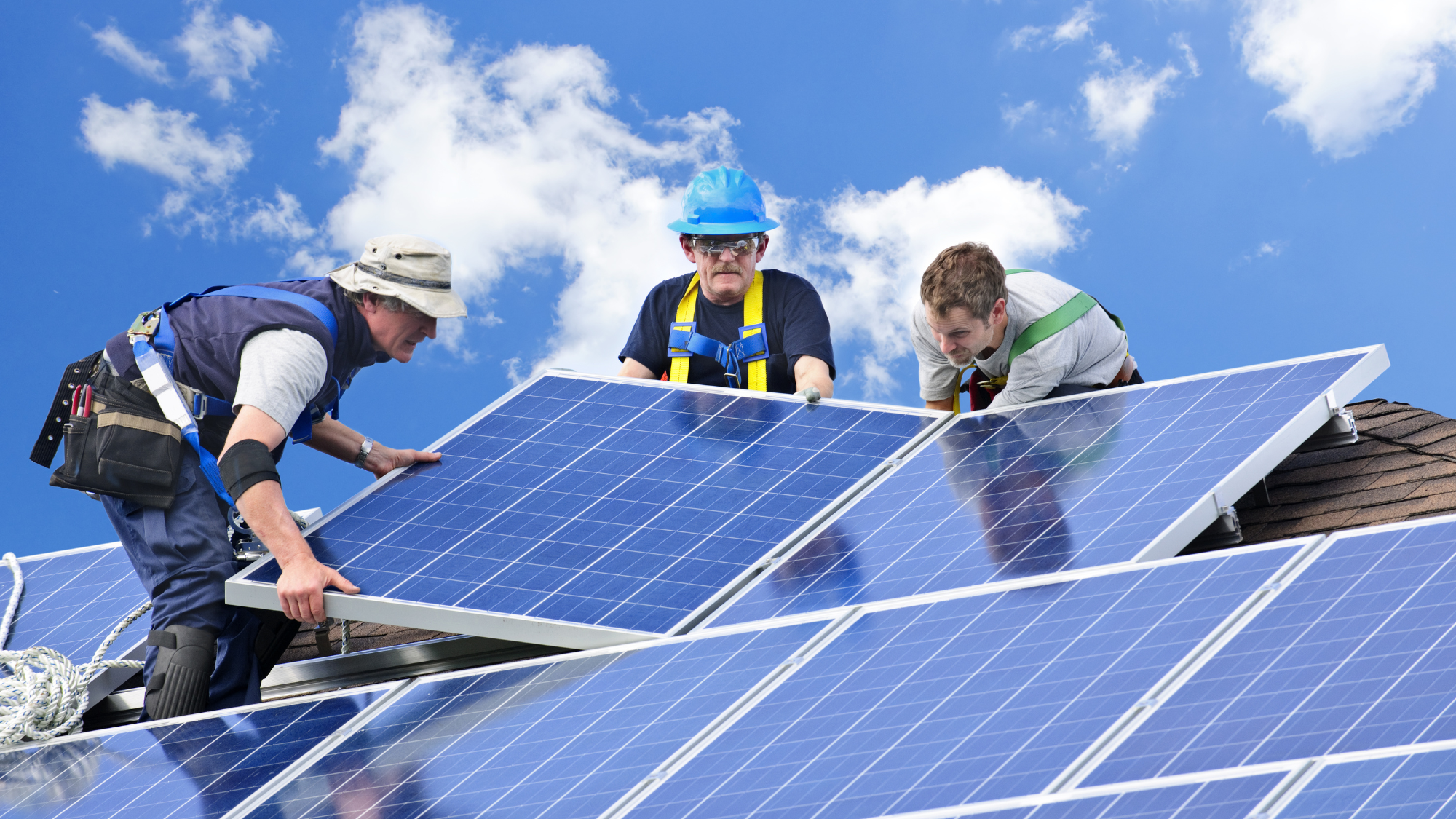
In Australia, solar systems must be installed by a Clean Energy Council (CEC)-accredited installer to qualify for government rebates and ensure compliance with safety standards.
Poor installation can lead to lower performance or even safety risks.
As for maintenance, solar systems are generally low-maintenance. Panels have no moving parts and only require occasional cleaning and inspection. In coastal or dusty regions, cleaning may be needed more often to prevent build-up.
Some providers, like PowerXpress, also offer ongoing support and servicing to ensure your system continues running efficiently for years to come.
6. Incentives and Rebates
Australia has one of the most generous rebate schemes for solar in the world, making it far more affordable to install.
Small-scale Technology Certificates (STCs): Federal government incentives that reduce upfront costs. The number of STCs depends on your system size and location.
Feed-in Tariffs (FiTs): Payments or credits for any excess power you feed back into the grid. Rates vary by state and electricity retailer.
Understanding these incentives is key to working out your payback period and long-term savings.
7. Choosing a Reliable Provider
Even with the right panels, a poor provider can lead to issues. Unfortunately, Australia has seen a rise in “cheap solar” companies that disappear after installation, leaving customers stranded with no support.
When researching providers, look for:
Positive reviews and a proven track record.
Transparent quotes and advice.
Local warranty support.
CEC-accredited installers.
Providers like PowerXpress focus on quality systems designed for Australian conditions, offering both the technical know-how and customer support that make the investment worthwhile.
Final Thoughts
Choosing solar panels doesn’t need to be complicated. By focusing on your energy needs, understanding panel types, checking efficiency and warranties, and ensuring proper installation, you can find a system that delivers reliable savings for decades.
The solar market in Australia is mature, which means there are excellent options available for both homes and businesses. With careful consideration—and by working with an experienced provider—you can be confident you’re making a smart, future-proof investment in clean energy.
And while no one system is perfect for everyone, providers like PowerXpress have helped Australians across the country design and install solar systems that fit their unique needs. With the right panels and the right support, solar can give you energy independence, lower bills, and the satisfaction of powering your life with the Australian sun.
Get Started Today
Ready to start saving? Fill out the form below and our team will reach out with a free, no-obligation quote. Going solar is simple! Take the first step today.