How Off-Grid Solar Systems Work: A Beginner’s Guide for Australia
By: PowerXpress I August 12, 2025
If you’ve ever driven through the wide-open stretches of the Australian outback, you’ve probably noticed properties with no power lines in sight. Yet inside those homes, the lights are on, the fridge is running, and the aircon hums away — all without a single connection to the electricity grid.
The secret is an off-grid solar system. More and more Australians, from farmers in rural Queensland to families in bushland retreats in Victoria, are choosing to generate and store their own electricity rather than relying on the national grid. In this guide, we’ll walk you through how off-grid solar works, why it suits Australia so well, and how to keep your system running at its best for years to come.
What Does “Off-Grid” Really Mean?
An off-grid solar system means complete independence from the main power network. You produce your own energy from sunlight, store it in batteries, and use it whenever you need. There’s no power bill at the end of the month, no reliance on coal-fired electricity, and no worries about blackouts caused by grid failures.
In Australia, going off-grid isn’t just for remote locations. Yes, it’s common on farms, rural homesteads, and outback roadhouses, but it’s also popular for tiny homes, mobile solar trailers, and even suburban households that want full energy independence. With our strong year-round sunlight, off-grid systems here can be incredibly reliable — provided they’re designed and maintained correctly.
How an Off-Grid Solar System Works
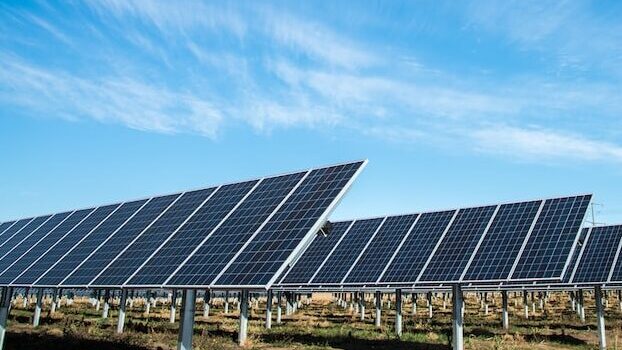
Think of an off-grid system as its own mini power station. During the day, solar panels capture sunlight and convert it into direct current (DC) electricity. A device called a charge controller regulates the flow of this electricity to your batteries, protecting them from overcharging. The stored energy is then converted into alternating current (AC) by an inverter, making it usable for everyday appliances like your washing machine, TV, or kettle.
If the sun isn’t shining enough to fully charge the batteries — say, during several cloudy days in a row — a backup generator or secondary power source can be used to top them up. In most cases, this backup only runs for a few hours a year if your system is sized correctly for your needs.
Why Off-Grid Solar Works So Well in Australia
Australia is one of the best places in the world for solar energy. On average, most regions enjoy 4–6 peak sun hours per day, even in winter. That means solar panels can produce significant amounts of electricity year-round, reducing the need for fossil fuel backups.
For rural Australians, the financial benefits are clear. Connecting a property to the grid can cost tens of thousands of dollars — sometimes more than the cost of a complete off-grid solar system. Add in rising power prices, and the investment often pays for itself within a few years.
Then there’s the lifestyle factor. Going off-grid offers freedom from fluctuating electricity prices, the satisfaction of producing clean energy, and resilience during storms, bushfires, or other emergencies that knock out power to entire towns.
Maintenance Tips for Off-Grid Solar Systems
A well-installed off-grid solar system can run smoothly for many years, but just like any technology, it performs best when it’s looked after. Regular maintenance not only extends the lifespan of your equipment but also ensures you get the maximum power output every day.
1. Keep your solar panels clean
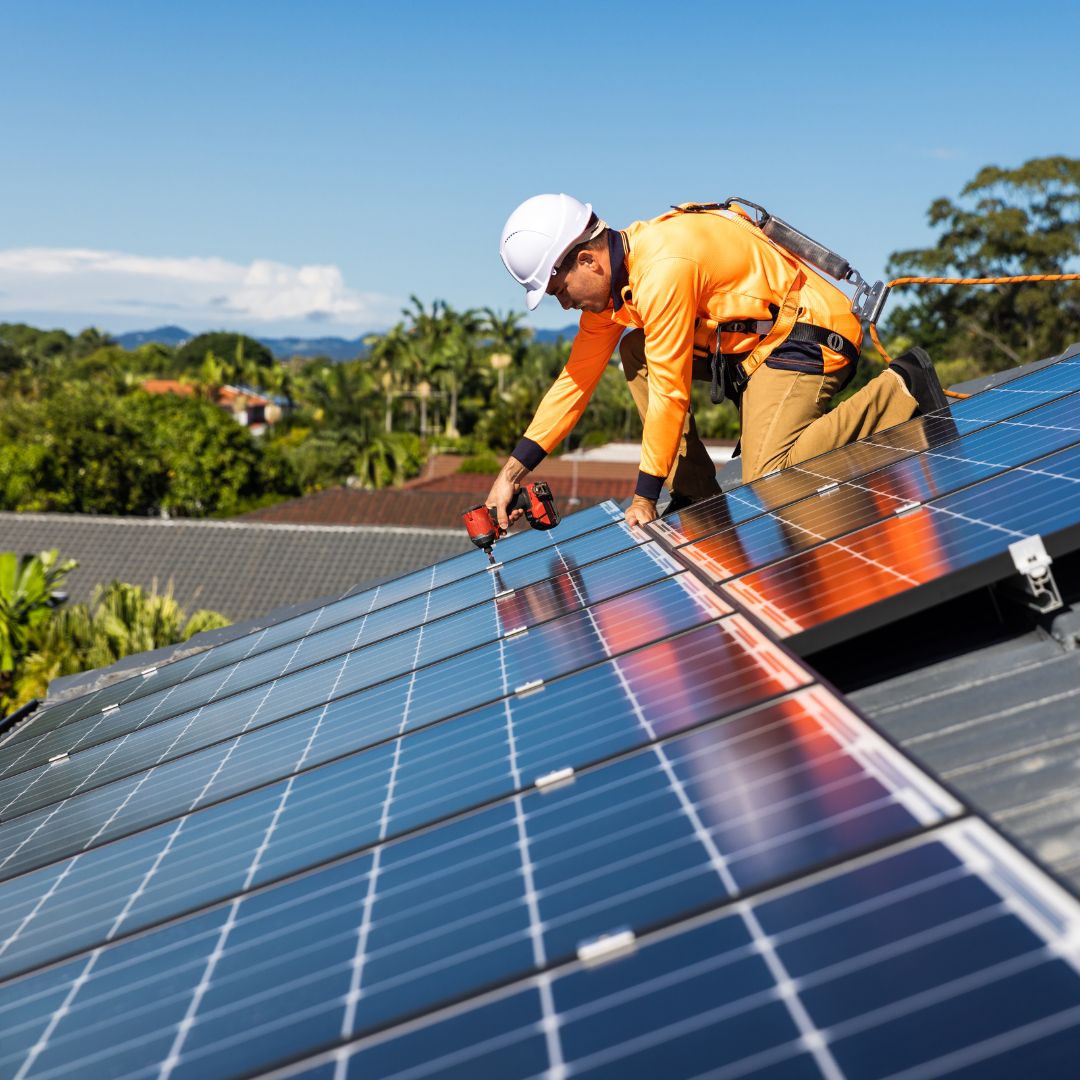
Dust, leaves, bird droppings, and even salty sea air can reduce the efficiency of your panels. In most parts of Australia, giving them a gentle clean every few months — or after heavy pollen or dust storms — can make a noticeable difference. For safety, hire a professional if the panels are roof-mounted and difficult to access.
2. Monitor battery health
Your batteries are the heart of your off-grid system. Modern lithium batteries, like LiFePO₄, are low-maintenance, but it’s still important to check charge levels regularly and avoid deep discharging unless your system is designed for it. Older lead-acid batteries require more frequent checks for water levels and connections.
3. Watch your energy usage
Just because you have solar doesn’t mean your energy supply is endless. Be aware of high-demand appliances, especially during cloudy weather. If you’re running a pool pump, power tools, or air conditioning, do it during sunny hours when the panels are actively generating electricity.
4. Service your backup generator
If you have one, make sure it’s ready when you need it. A generator that hasn’t been started for years might fail on the one day you really rely on it.
5. Schedule professional check-ups
Even the best DIY maintenance can miss things. Having your system inspected by a qualified solar technician every year or two helps detect wear, wiring issues, or inverter errors before they become expensive problems.
How Maintenance Saves Money in the Long Run
Skipping maintenance may seem harmless — until it isn’t. A layer of dirt on panels can reduce output by up to 20%, meaning your batteries don’t charge fully. That can lead to running your generator more often, burning fuel, and wearing out parts prematurely. Poorly maintained batteries can also fail years earlier than expected, which is one of the most expensive replacements in an off-grid setup.
In short, a little bit of attention now can save thousands of dollars later.
Is Off-Grid Solar Right for You?
Whether you’re building a new home in the bush, upgrading a rural property, or setting up a mobile power station for camping and travel, off-grid solar systems in Australia offer independence, reliability, and long-term cost savings. The key to making them work is smart system design, realistic energy planning, and ongoing care.
At PowerXpress, we design and install off-grid systems built for Australian conditions — from scorching summers to frosty inland winters. Our setups combine high-quality solar panels, efficient inverters, and durable batteries to keep your power flowing 24/7, no matter where you are.
If you’re ready to explore your off-grid options, get in touch with us today. We’ll help you choose a system that suits your lifestyle, budget, and location — and show you exactly how to keep it running at peak performance for years to come.
Watch out: The Overview of Tiny Home Solar Trailer
Get Started Today
Ready to start saving? Fill out the form below and our team will reach out with a free, no-obligation quote. Going solar is simple! Take the first step today.